









APAC CIOOutlook
About UsConferencePartner With Us
  • Technologies
    • Blockchain
      Data Intelligence and Management
      Digital Transformation
      FinTech
      Generative and Agentic AI
      Low Code No Code
      Mobile Application
      Networking
      Robotics
      Storage
      Wireless
  • Industries
    • Automotive
      Aviation
      Banking
      Construction
      E-Commerce
      Food and Beverages
      Healthcare
      Insurance
      Logistics
      Manufacturing
      Retail
      Supply Chain
      Travel and Hospitality
  • Platforms
    • Microsoft
      Salesforce
      SAP
  • Strategic Solutions
    • Business Intelligence
      Contact Center
      Corporate Finance
      CRM
      Cyber Security
      Data Center
      Enterprise Asset Management
      Enterprise Performance Management
      IT Infrastructure and Services
      Managed Services
      Procurement
      Unified Communication
      Workflow
  • Home
  • CXO Insights
  • Leadership Perspectives
  • Innovation Insights
  • Research
  • News
  • Whitepapers
  • CXO Awards
#

Apac CIOOutlook Weekly Brief

×

Be first to read the latest tech news, Industry Leader's Insights, and CIO interviews of medium and large enterprises exclusively from Apac CIOOutlook

Subscribe

loading

THANK YOU FOR SUBSCRIBING

  • Home
  • Data Center
Editor's Pick (1 - 4 of 8)
left
Hybrid IT - The New Reality

Ramesh Munamarty, Group CIO, International SOS

Faster, Safer Data Hosting Starts with a Map

Mark Bauer, Managing Director & Co-Lead Of The Data Center Solutions, JLL

Universal Digital Identity-How to Get it Right?

Dr. Michael Gorriz, Group CIO, Standard Chartered Bank

Data Center of the Future

Ari Bose, CIO, Brocade

Centricity of Data Science in the IT World

Harpreet Kaintel, CIO, ZenithOptimedia Group

Encryption-is it enough?

Jerry Irvine, EVP, CIO, Prescient Solutions

The Evolution of Enterprise AI: Balancing Innovation, Governance and Business Value

Ashley Wan, Regional Data & Analytics Director, Apac, Richemont

Will AI Replace Lawyers?

Ker Shing Chock, Head of Legal & Compliance, DBS Bank Ltd. Malaysia

right

The Results Are In: We Need Greater Data Literacy in Asia Pacific

Paul Mclean, Data Literacy Lead - APAC, Qlik

Tweet
content-image

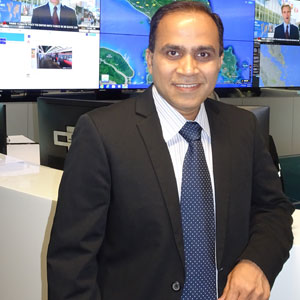
Paul Mclean, Data Literacy Lead - APAC, Qlik

The world is in the midst of a digital, data fuelled revolution. With phrases like “Big Data”, “Augmented Intelligence” and “Data Analytics” now commonplace, and with data accumulating at an unfathomable pace, it’s hard to find an organisation where its importance isn’t the top of mind.

As the growth of data has accelerated, so too has our ability to work with it to derive greater insights within and across organisations. However, in trying to make the most of the data now available, one key component has been lacking: consideration on the actual skill-sets to fully utilise data and act on it. In 2012, the Harvard Business Review said, “The shortage of data scientists is becoming a serious constraint in some sectors.” That was 2012 and yet, in 2018, the problem still remains. Six years on even more data is being produced, and the workforce has an actual skills-gap. Of course, not everyone needs to be a Data Scientist, but we all need to be data literate to make better decisions for better outcomes.

The current state of data literacy

In Qlik’s recent survey on data literacy across Asia Pacific (APAC), it was found that only one in five workers across the region felt confident in their data literacy skills (i.e. their ability to read, work with, analyse, and argue with data) despite growing pressure to use data within the workplace.

Australia, specifically, reports the same overall literacy rate (20 percent) as APAC. And yet, two thirds (65 percent) of Australian respondents believe they have to deal with a higher volume of data in their role than three years ago. In fact, the majority are using data on a weekly basis, demonstrating an overall shift towards data at work. However, employees don’t feel equipped to deal with this change, and 40 percent are frequently making decisions based on “gut feel” over informed, data-driven insight.

Our research found that more could be done to support workers with training initiatives that accelerate data literacy skills.
Only 25 percent of Australian respondents believe everyone in their organisation is empowered to use data and is data literate, and a mere 18 percent said they’d had adequate training to gain these skills. Most shockingly, 81 percent of Australian graduate level employees do not classify themselves as data literate – demonstrating a skills gap that spans the entire workforce, even among students who are firmly of the digital generation.

In order to grow data literacy within an organisation it is essential to foster the right culture to allow it to flourish

Given the vast amount of data being created today, and the growing need for organisations to be successful with that data, the high number of individuals (49 percent across APAC) who feel overwhelmed by data must be a strong wake-up call for organisations to start building the right culture and training programs for workers to become data literate. It also suggests more emphasis can be placed on these skills by education providers to remedy the skills gap.

What’s needed to make data literacy work?

In order to grow data literacy within an organisation it is essential to foster the right culture to allow it to flourish. If we understand the definition of data literacy as the ability to read, work with, analyse, and argue with data, a culture that supports this requires such skills to be improved by hard work, study, practice, and conversation. It sounds easy but in reality, it takes time and strong leaders to guide their teams through the shift in mind-set.

Within organisations, different data personalities and smaller subcultures can exist. However, a data literate culture must permeate through all business units, teams, leaders, and so on.

For example, in a hospital it’s commonplace for the heads of department and the board to be well-versed in reviewing the data at hand. But if the relevant data is also made accessible to doctors, nurses, and ward managers, they can quickly understand where potential efficiencies lie, who has the best operation theatre utilisation rates, which wards are providing better patient care and even the importance of logging their information in the right manner so they can quickly visualise it, understand what it is saying, and act on it.

Our research found 72 percent of APAC respondents would be willing to invest more time and energy into improving their data skills, however, both employers and employees need to take ownership and be more proactive in bridging this skills gap. Strong leadership is required to build a data literate culture, and, from the top down, an effort must be made to ensure employees have the time and support to improve their skills, with access to short training sessions to do so.

We’ve completed data literacy surveys across the world, and overall, the findings show that there is a large skills-gap within data literacy. We have seen great investments throughout the years in tools and technology, now it’s time to ensure we make investments in the human side of things: data literacy.

Overcome the skills gap

Take a brief self-assessment of your data literacy skills here, and search survey results comparing U.S., Europe and Asia-Pacific data using the Qlik Data Literacy Survey app. If you’re interested in taking free data literacy courses you can learn more here.

tag

Big Data

Weekly Brief

loading
Data Center Cooling Solution Company of the Year in APAC - 2025
Featured Issue
Previous Next

I agree We use cookies on this website to enhance your user experience. By clicking any link on this page you are giving your consent for us to set cookies. More info

APAC CIOOutlook
Follow on LinkedIn

About

  • Home
  • About Us
  • Partner With Us

Stay Connected

  • Subscribe
  • Newsletter
  • Sitemap

Contact Us

  • editor@apacciooutlook.com
  • sales@apacciooutlook.com
  • marketing@apacciooutlook.com

Legal

  • Editorial Policy
  • Privacy Policy
  • Terms of Use

© 2026 APAC CIOOutlook. All rights reserved. Headquarteblue in Fort Lauderdale, FL, USA.

This content is copyright protected

However, if you would like to share the information in this article, you may use the link below:

https://data-center.apacciooutlook.com/cxoinsights/the-results-are-in-we-need-greater-data-literacy-in-asia-pacific-nwid-5039.html